Practical Gardening Hacks for Vladivostok Dachas: Tips for the Maritime Far East
Vladivostok gardeners face a mix of advantages and challenges: maritime influence, strong winds, high humidity and summer rains, occasional late spring frosts, and salt spray near the sea. These life hacks and practical tips are tailored to the local climate and dacha culture—helping you get better yields, healthier soil, and less work.
Quick principles to remember
— *Protect from wind and salt*: windbreaks and salt-tolerant plants make a huge difference.
— *Fight humidity*: good air circulation, raised beds, and timing of watering reduce fungal problems.
— *Extend the season*: greenhouses, cloches, and seed-starting give you more growing time.
— *Use local materials*: seaweed, ash, old windows, and branches can be repurposed into valuable garden resources (with care).
Soil, drainage and pH
— Test soil pH: many local soils trend acidic—lime if pH is low, but do it sparingly.
— Improve structure with compost and well-rotted manure to increase fertility, water holding capacity, and microbial life.
— For heavy clay, make raised beds filled with a lighter mix (topsoil + compost + sand) to improve drainage.
— For sandy or poor soils, add compost and humus; cover crops (clover, vetch) help rebuild organic matter over seasons.
Watering and humidity management
— Use drip irrigation or soaker hoses to water at the root zone—this saves water and reduces leaf wetness that encourages fungi.
— Water in the morning so leaves dry quickly. Avoid evening watering when humidity stays high.
— Collect rainwater in barrels (place under gutters) for a soft-water source—helpful if municipal water is hard or chlorinated.
— If near the sea, rinse sea-sourced irrigation water (or seaweed) to remove excess salt before applying to sensitive plants.
Wind, salt spray and microclimate creation
— Build windbreaks: woven branch fences, bamboo screens, or rows of shrubs reduce stress and soil erosion.
— Plant wind-tolerant shelterbelts (e.g., dogwood, buckthorn, fast-growing willow) upwind of vegetable areas.
— Use raised beds and plant sensitive crops deeper or closer to protective structures (greenhouse, fences).
— Choose salt-tolerant or wind-tolerant varieties near the coast (rugosa roses, sea buckthorn, hardy grasses).
Season extension: greenhouses, cold frames, cloches
— Reuse old windows or frames to build cold frames—cheap and effective for early seedings.
— Polycarbonate greenhouses work great in Vladivostok—retain heat and resist snow load better than glass.
— PET-bottle cloches: cut bottoms off bottles, press over seedlings to protect from late frosts.
— Black plastic or landscape fabric can warm soil early in spring for warming-hungry crops.
Best crops and varieties for the region
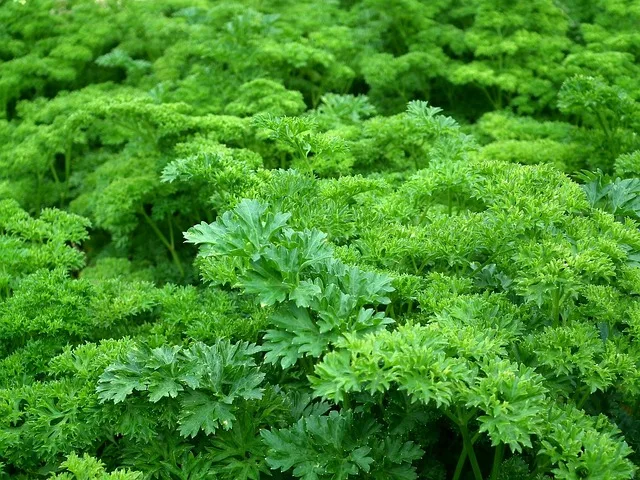
— Root crops (potatoes, carrots, beets), cabbage family, onions, garlic, dill, parsley, and hardy greens perform reliably.
— Strawberries, raspberries, currants and sea buckthorn are good perennial choices for the climate.
— Tomatoes and cucumbers do very well in greenhouses—choose short-season and disease-resistant cultivars.
— Rugosa roses and many viburnums work as ornamental hedges that tolerate maritime conditions.
Pest and disease control (practical/local)
— Preventive: maintain good air circulation, avoid over-fertilizing with nitrogen, rotate crops, and remove diseased material.
— Slugs and snails: beer traps, crushed eggshells, or diatomaceous earth around plants; remove hiding places (boards, dense mulch) in the day.
— Voles/mice: lift beds onto mesh base or use buried hardware cloth around roots and bulbs.
— Fungal issues (late blight, mildew): water early, space plants, remove lower leaves, and use horsetail (Equisetum) infusion as a traditional preventative spray.
— Beneficial insects: attract predators with flowering herbs and perennial borders (dill, fennel, borage).
Composting and on-site fertilizers
— Make a hot compost pile mixing greens (kitchen scraps, fresh cuttings) and browns (leaves, straw) to speed decomposition. Turn regularly